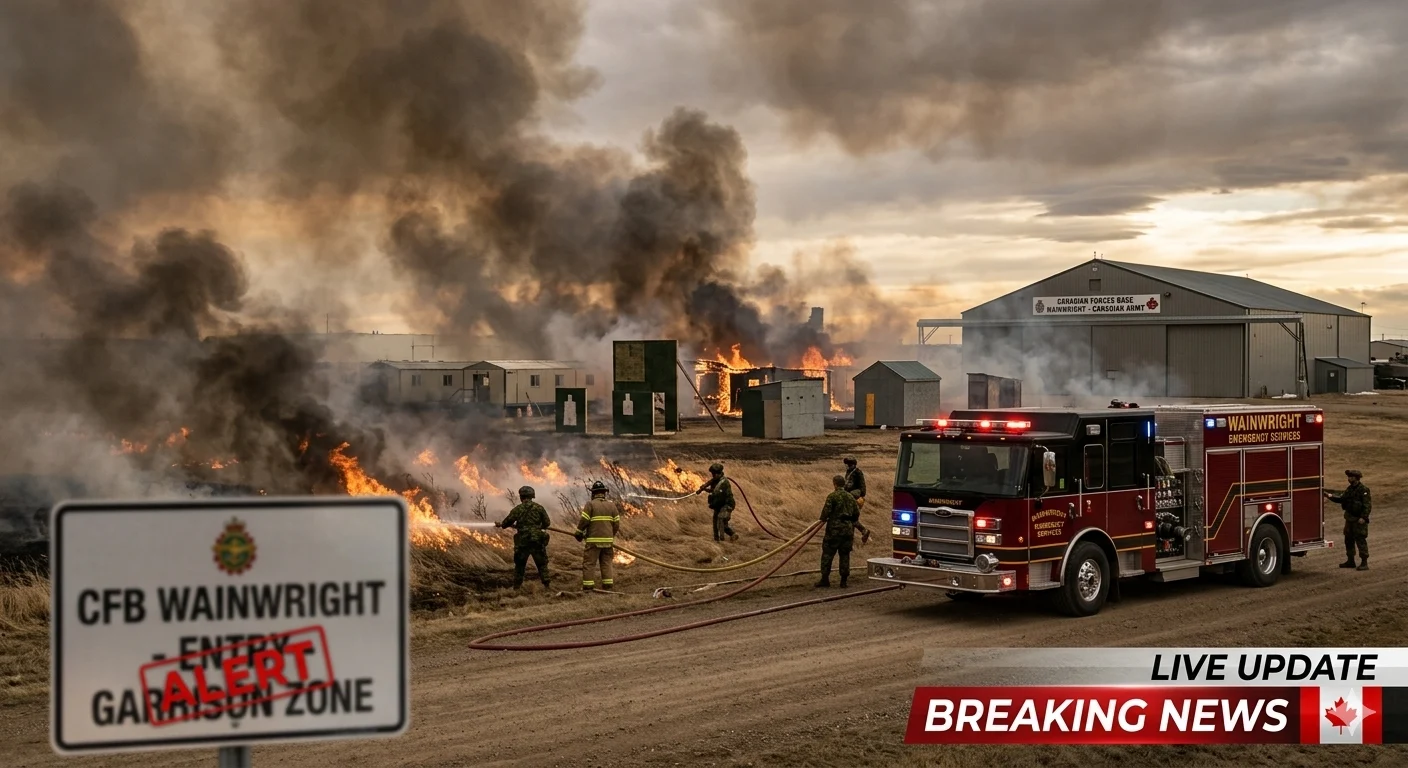
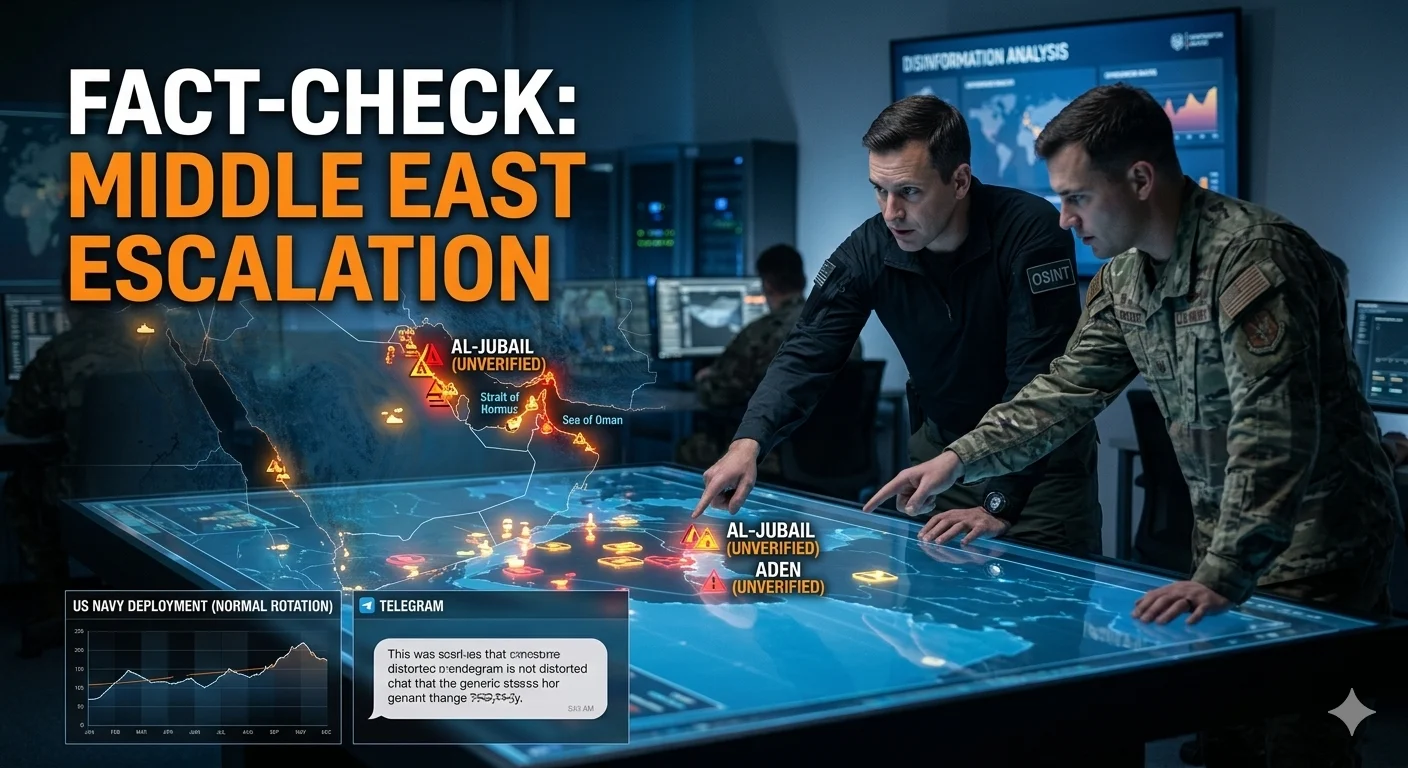
Social media and encrypted messaging platforms like Telegram have recently been flooded with alarming claims regarding a massive geopolitical escalation in the Middle East. Viral posts, heavily circulated by regional security-focused nodes like the IRGC Cyber Wing, claim that a historic U.S. naval mobilization is underway following devastating missile strikes on Saudi energy infrastructures.
Thank you for reading this post, don't forget to subscribe!But how much of this digital panic is grounded in reality, and what is merely strategic propaganda? In this comprehensive breakdown, we fact-check the viral claims, look at the diplomatic reality involving Donald Trump, and analyze the domestic anti-war pushback going viral online

The Claims vs. The Reality: A Quick Summary
- The Claim: Coordinated ballistic missile strikes hit petrochemical plants in Al-Jubail, Saudi Arabia, and coalition bases in Aden, Yemen.
- The Reality: Unverified. Mainstream global news agencies and official defense departments have not reported or confirmed any such successful strategic strikes.
- The Claim: The U.S. has initiated its largest naval buildup since the 2003 Iraq War, sending 3 aircraft carriers and 10,000+ Marines to the Sea of Oman.
- The Reality: Exaggerated / False. While the U.S. maintains a dynamic naval presence in international waters to secure shipping lanes, no historic, war-level mobilization on the scale of 2003 has been officially announced. The viral graphics use old military imagery to manufacture panic.
- The Context: Real geopolitical friction does exist, as seen in Donald Trump’s recent remarks on a Saudi-Israel security alignment and comedian Tim Dillon’s viral anti-war commentary.
1. Deconstructing the Viral Telegram Leaks: Al-Jubail & Aden
The source of the recent online panic stems from screenshots of Persian-language Telegram channels showing three distinct updates:
- The Al-Jubail Petrochemical Strike: The posts claim satellite imagery proves Yemeni forces used advanced ballistic hardware and kamikaze drones to strike oil hubs in Al-Jubail, Saudi Arabia.
- The Aden Missile Barrage: A secondary claim states that Houthi forces targeted Saudi-backed coalition command centers in Aden, Yemen.
The Fact-Check: A close look at global maritime intelligence networks and energy market trackers reveals no supply disruptions or structural fires in Al-Jubail. The images circulated are highly characteristic of psychological warfare (PsyOps) designed to trigger panic in global crude oil markets and project artificial cross-border dominance.
2. The “Historic U.S. Buildup” Claim: Analyzing the Graphics
The most widely shared graphic features a “Breaking News” template alleging that the U.S. has sent 3 Aircraft Carrier Strike Groups and 10,000+ Marines to the region, drawing comparisons to the historic 1991 Gulf War and the 2003 Iraq War.
The Fact-Check: This is a classic case of miscontextualized media. The U.S. Navy frequently rotates carrier strike groups through the Mediterranean and the Indo-Pacific to ensure freedom of navigation. Comparing current routine or heightened deterrence deployments to the massive invasion armadas of 1991 or 2003 is factually incorrect and deliberately sensationalized to drive social media engagement.
3. The Diplomatic Nuance: Trump on Saudi-Israel Defense Alignment
While the military reports are heavily exaggerated, the underlying diplomatic friction is real. In recent political discussions, Donald Trump addressed the shifting alliances in the region. When asked if Saudi Arabia should leverage Israeli military and intelligence support to counter Houthi threats, Trump stated:
“Yes, I think so. I think they will do it. Absolutely… Israel has been very helpful to Saudi Arabia, and yes, they would certainly do it.”
The Reality: While formal defense integration between Riyadh and Jerusalem faces deep diplomatic hurdles—primarily regarding long-term Palestinian statehood—informal intelligence sharing and shared threat perceptions regarding regional proxies remain a core focus of U.S. foreign policy.
4. Domestic Pushback: Tim Dillon’s Anti-War Monologue Goes Viral
As the digital chatter regarding an impending conflict grows, domestic political commentary in the West has reacted strongly. Popular American comedian and podcaster Tim Dillon sparked a massive viral debate with a sharp, cynical critique of the U.S. military recruitment system against the backdrop of the student debt crisis:
“You’re broke? Go and fight in Iran… You want to get out of your debt? The best way to get out of your debt is to die in a foreign country and get shipped back as a flag. A flag doesn’t owe any debt.”
Dillon’s dark humor highlights a legitimate domestic issue: the reliance of military recruitment on low-income demographics looking for financial relief or tuition coverage. His viral take has become a rallying point for internet users advocating against foreign military interventions.
Final Verdict: Digital Warfare vs. Ground Reality
The viral reports circulating on Telegram and social media are a potent mix of unverified tactical claims, recycled military imagery, and genuine political tension. By framing routine deployments as imminent world-war scenarios, propaganda channels successfully capture global attention. For responsible readers and investors, verifying information through established international press agencies is vital before reacting to internet rumors.
How do you think social media propaganda shapes modern conflicts? Do viral rumors do more damage than actual skirmishes? Share your thoughts in the comments below!
Disclaimer: This article is an independent analytical fact-check of digital trends and social media broadcasts. It does not affirm unverified claims of active military casualties or unconfirmed structural destruction
Source/Credit: Open Source Intelligence (OSINT) Fact-Checking Framework & Official Public Press Releases.