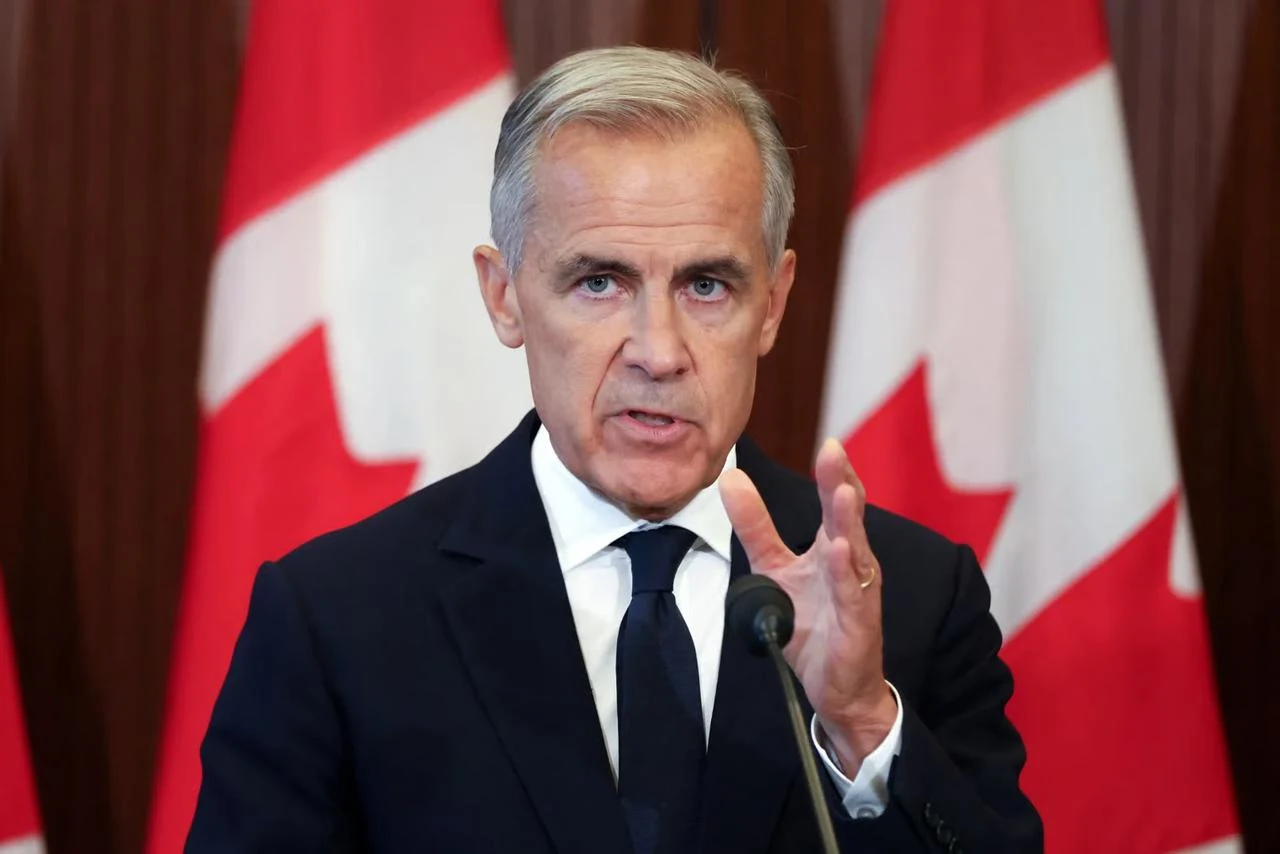
OTTAWA / CALGARY: Canada is entering one of the most critical weeks in its modern political history. As the province of Alberta prepares for its highly anticipated referendum on October 19, 2026 [The Hindu], Prime Minister Mark Carney has issued an urgent, high-stakes warning to voters, urging them to choose national unity over deep economic uncertainty
Thank you for reading this post, don't forget to subscribe!The referendum, which has put all eyes on Canada’s oil-rich western province, arrives at a time when the federal government is simultaneously overhauling its economic and immigration architectures to protect national interests
1. The Alberta Referendum: “A Dangerous Bluff,” Warns PM Carney
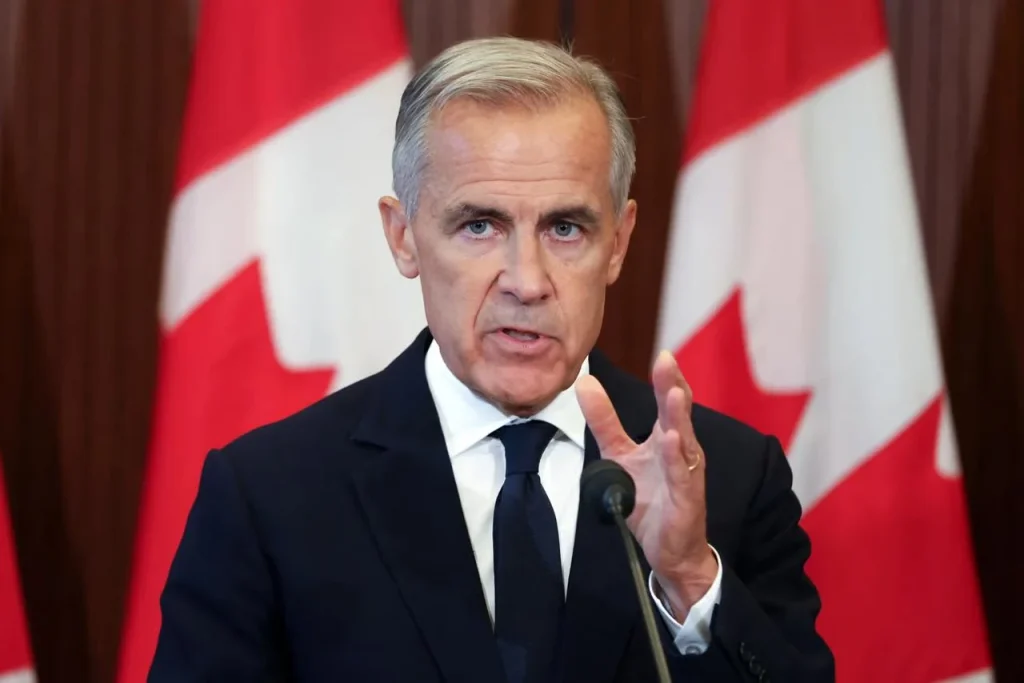
Speaking at a massive pro-unity “Forever Canadian” rally in Calgary and Edmonton, Prime Minister Mark Carney did not sugarcoat the gravity of the upcoming vote While Monday’s vote is not a direct referendum on immediate independence, it asks Albertans whether to instruct the provincial government to begin the formal legal process toward potential secession
The Threat of External Forces: Addressing thousands of supporters, Carney warned that the vote comes at a dangerous and divided time globally “Some outside our borders are working to break us so they can own us,”
Carney stated, a clear nod to foreign economic pressures and trade wars
A Call for Resiliency: The Prime Minister implored voters not to treat the referendum as a poker game or a simple way to “send a message” to Ottawa, calling it a dangerous bluff that could result in years of lost opportunities. Alternatively, he pitched the proposed Pacific Link pipeline—a project estimated to generate over 140,000 jobs—as the right path to reduce economic dependence on the United States.
A Rare Show of Unity: In a surprising political move, Alberta’s Conservative Premier Danielle Smith
and federal Conservative Leader Pierre Poilievre have both joined Carney in urging Albertans to remain part of Confederation, even as political leaders remain sharply divided over other ballot questions regarding provincial autonomy
2. Economic Shift: Canada Refocuses Express Entry on Top Skilled Talent
As the government fights to maintain geographic unity, it is also aggressively moving to recalibrate its workforce to boost G7 economic dominance. Immigration Minister Lena Metlege Diab officially announced sweeping changes to the Express Entry Comprehensive Ranking System.
The New Policy: Effective November 3, 2026, Canada will award massive bonus points (up to 100 points) to permanent residency candidates who hold high-wage job offers or eligible Canadian work experience in critical occupations.
Target Sectors: The initiative directly targets much-needed professionals, including engineers, electricians, healthcare workers, and IT professionals earning at least 1.3 times the median Canadian wage.
The Goal: This aligns with Carney’s broader agenda of a “controlled increase” in immigration, ensuring that population growth directly fuels economic production rather than straining local infrastructure.
3. Trade Diversification: Racing to Seal the India Economic Pact
Compounding Canada’s strategic shift away from total reliance on U.S. markets, Foreign Minister Anita Anand confirmed that Ottawa is aggressively pursuing global trade alternatives.
The India Mission: International Trade Minister Maninder Sidhu recently led a massive trade mission consisting of nearly 300 Canadian businesses to New Delhi, Mumbai, and Bengaluru. The mission successfully concluded 34 commercial agreements valued at nearly $300 million across clean tech, aerospace, and life sciences.
The 10-Year Strategy: Minister Anand stated that Canada is on track to finalize the landmark Comprehensive Economic Partnership Agreement (CEPA) with India by the end of this year. This is part of a grander 10-year strategy to double Canada’s non-U.S. trade by deepening ties with the European Union, India, and other rapidly growing economies.
Editor’s Analysis: A Defining Moment for Confederation
The synchronicity of these events shows a Canadian government fighting on two fronts: preserving internal sovereign borders against regional alienation while rewiring its external trade and immigration systems for long-term survival. Whether Alberta decides to “lead or leave,” the political landscape of Canada has fundamentally shifted
What is your opinion on Alberta’s upcoming vote? Will PM Carney’s appeal for national unity hold the country together? Drop your comments below!
Source/Credit: Verified via official updates from Immigration, Refugees and Citizenship Canada (IRCC), public ministerial briefings, and accredited international press files.