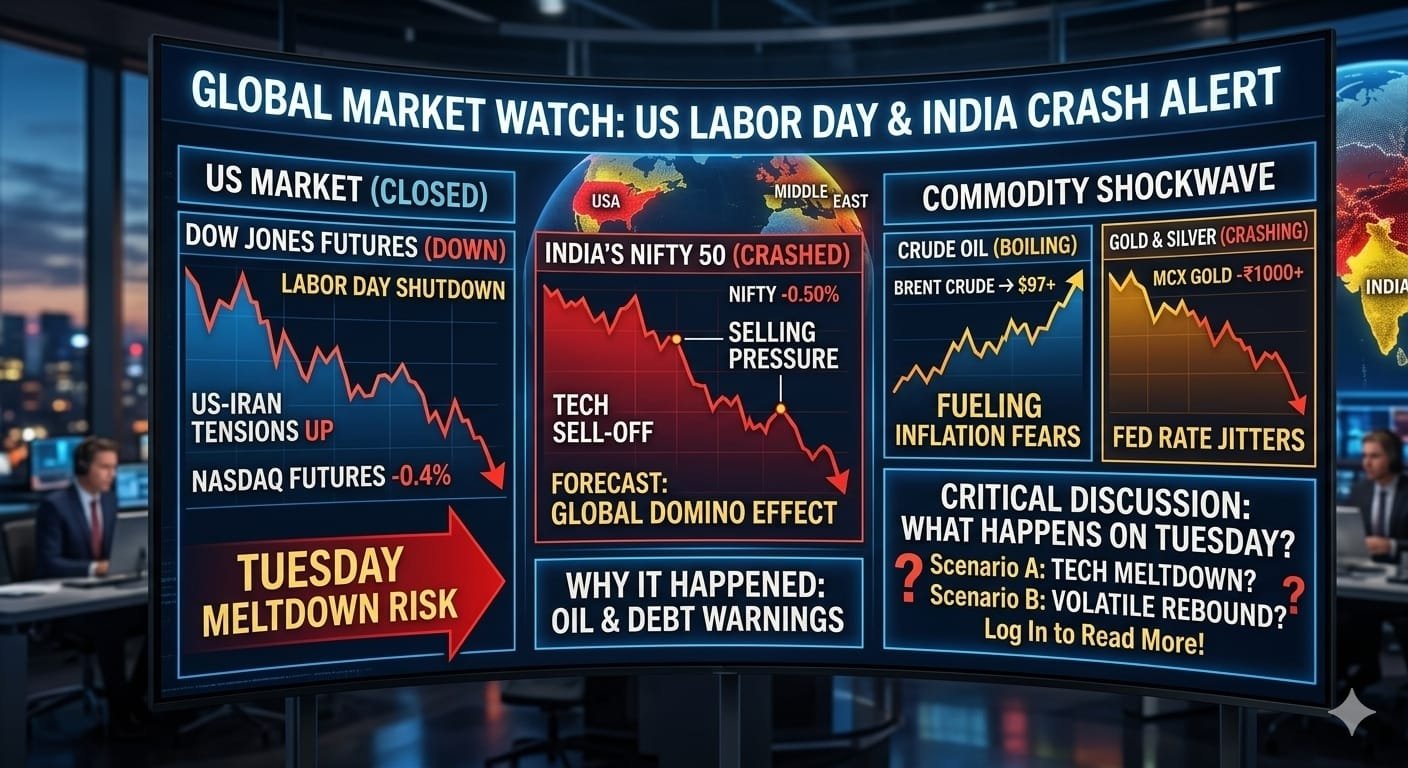
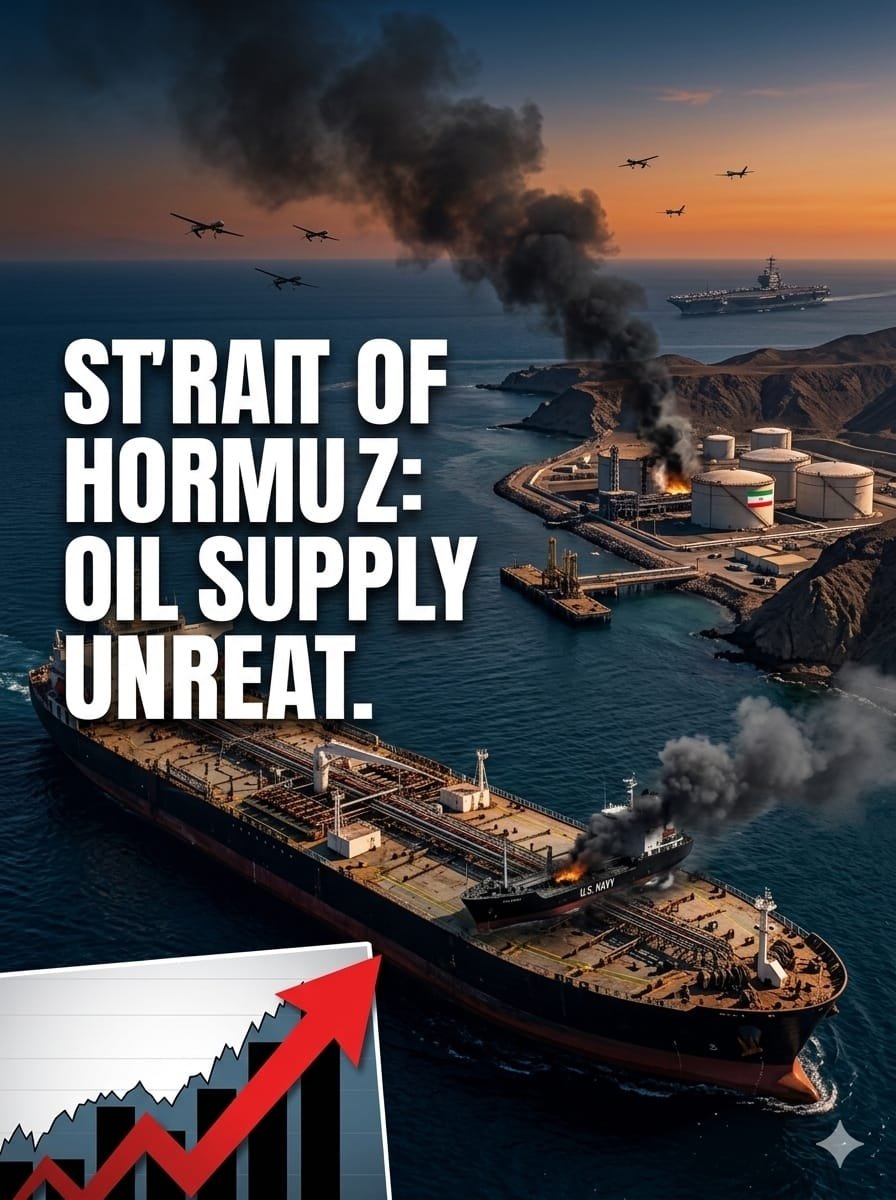
Unpacking the massive geopolitical shifts from the Middle East to Russia causing a massive storm in the global energy and commodity markets. Read the step-by-step breakdown.
Thank you for reading this post, don't forget to subscribe!COMMODITY MARKET INSIGHTS: Geopolitical Storm Threatens Global Oil Supply; Key Factors Driving the Energy Market TodayThe global commodity market is staring at an unprecedented era of volatility. A rapid escalation in geopolitical friction across the Middle East and the Black Sea region has sent shockwaves through the energy corridors. Here is a step-by-step, comprehensive breakdown of the major international triggers currently reshaping the crude oil and natural gas markets.
Step 1: Drone Launch Reported in the Strait of HormuzThe Situation: Initial field intelligence and reports from regional military monitoring channels indicate that drone (UAV) launches have been directed toward targets within the highly strategic Strait of Hormuz.Commodity Market Impact: The Strait of Hormuz is widely considered the world’s most critical maritime chokepoint, facilitating the transit of over 20% of global crude oil supply. Even a temporary disruption or perceived threat to commercial vessels in this narrow channel introduces a massive risk premium, preparing crude futures for sudden upward spikes.
Primary Source: Sepah Cyberi / Regional Security Trackers
Step 2: US Naval Logistics Base in Bahrain Compromised The Situation: According to an investigative piece highlighted by The New York Times, a primary logistical hub for the US Navy stationed in Bahrain has faced significant operational disruption.Commodity Market Impact: Because of increased risks surrounding regional proximity ports, supply ships servicing western naval fleets are now forced to reroute over 2,200 miles to Diego Garcia or as far away as Singapore (3,700 miles) to complete fuel and cargo turnarounds. This massive bottleneck in marine transport logistics fundamentally threatens shipping route security, heavily restricting supply flexibility and underpinning bullish crude sentiment.
Primary Source: The New York Times (NYT)
Step 3: Threats of Covert Sabotage and Strategic Alliances ShiftThe Situation: US Vice President JD Vance publically stated that Washington could potentially greenlight covert sabotage operations inside Iran as part of a maximum-pressure campaign against Tehran. Concurrently, President Donald Trump warned via Fox News of overwhelming military responses if regional oil or military infrastructures continue to face aggression.The Coalition Factor: In response to shift patterns in military cooperation pledges, South Korea’s presidential office announced they are actively preparing to deploy military personnel directly to the Strait of Hormuz to independently guarantee the free and uninhibited passage of commercial shipping vessels.Commodity Market Impact: The internalization of the conflict—bringing East Asian consumer nations directly into the tactical arena—proves that the risk to energy distribution is no longer regional, but global.
Primary Source: White House Press Briefing / Fox News / South Korean Presidential
Step 4: Ukrainian Air Strikes Targeting Russian Strategic Infrastructure The Situation: Shifting to the European energy theater, military monitors report a massive, coordinated Ukrainian drone offensive targeting the Russian coastal city of Sochi. The operation successfully neutralized critical Russian radar and air defense infrastructure (likely S-300 or S-400 missile systems), creating secondary detonations. Commodity Market Impact: Parallel to this, Ukrainian command elements issued clear notifications stating that the entire Russian airspace is now considered an active combat corridor for long-range drones. With Sochi serving as a vital Black Sea economic terminal, the persistent threat of aerial warfare over Russian transport lines keeps pressure cooking beneath global energy indexes, halting any significant downside correction.
Primary Source: NOELREPORTS / Clash Report /
Final Market Outlook & Trading ConsensusGiven the convergence of these severe bottlenecks, shorting the energy market right now carries extreme systemic risk. Traditional supply-and-demand indicators, such as the latest domestic gas storage injections, are completely overshadowed by these war headlines.Traders should expect heightened volatility and a sharp bullish bias across standard international benchmarks like Brent and WTI crude. Implementing tight, ironclad risk management parameters and trailing stop-losses is highly recommended to navigate sudden intraday price swings.