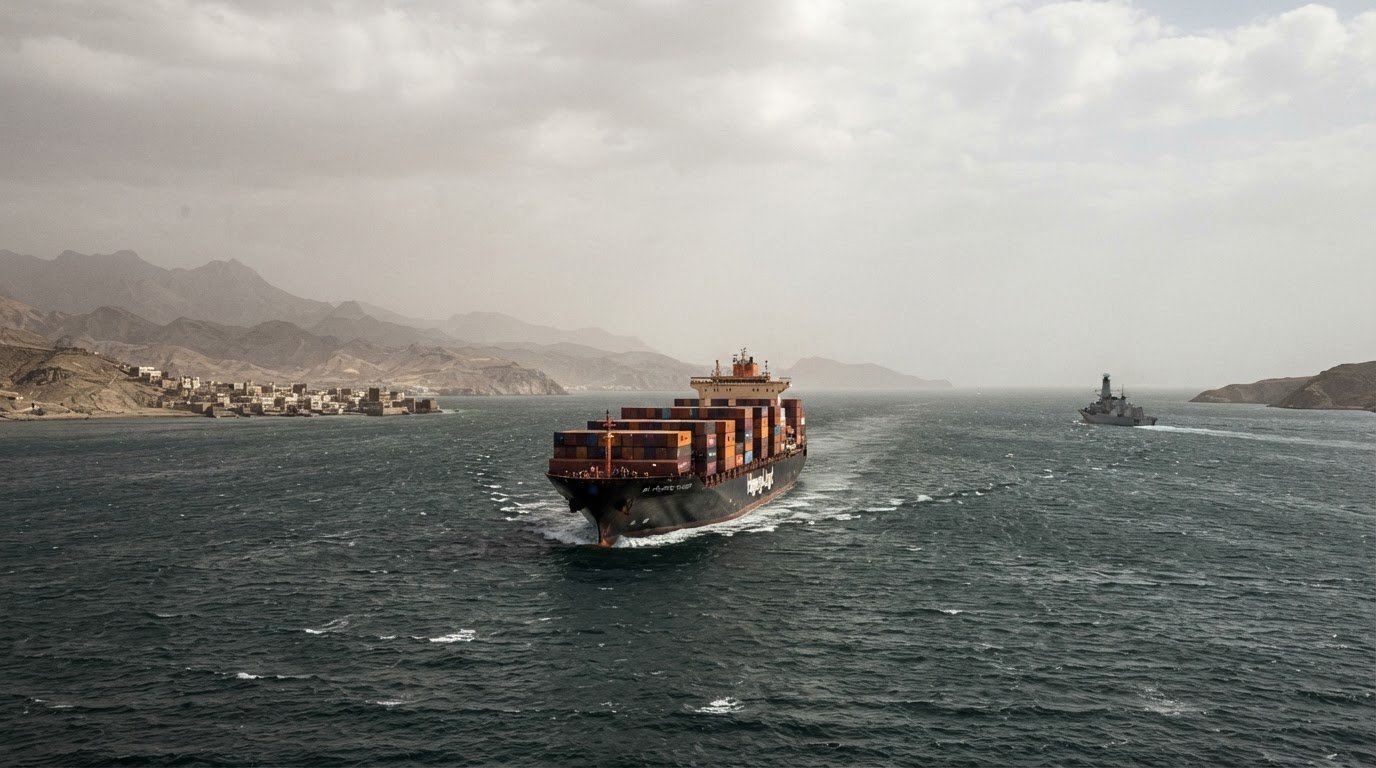

Iran says the Strait of Hormuz could be reopened within two days if the United States meets a set of conditions, raising hopes for a possible diplomatic route out of the conflict. But the proposal is not an agreement, and commercial shipping has not been confirmed as restored under a new arrangement.

What Iran is proposing
On November 2, Iranian officials said Tehran was discussing a faster timetable for a plan that could reopen the Strait of Hormuz within two days, provided Washington accepts Iran’s conditions. The proposal is linked to wider efforts to end the eight-month conflict and restart negotiations through regional mediators.
Iran’s Foreign Ministry spokesperson Esmaeil Baghaei said the country’s earlier seven-step proposal remained the basis for the discussions, while the implementation period could be shortened. The conditions reported by Reuters and the Associated Press include an end to the US naval blockade on Iranian ports, relief from restrictions affecting Iranian oil sales and a ceasefire arrangement that would include Lebanon.
Iran has also described a possible shipping arrangement in which vessels would use a route agreed with Oman and operate under Iranian supervision. The details would need to be clarified in any final agreement, particularly for commercial operators, insurers and maritime authorities.
No agreement has been announced
The diplomatic signals are significant, but they should not be mistaken for a breakthrough. Iranian negotiators left Doha after consultations with Qatari mediators, while a draft proposal was reportedly being circulated and a follow-up meeting remained possible. Reuters reported that their departure was not described by an official as a breakdown in the discussions.
There has been no public confirmation that Washington has accepted Tehran’s conditions. The two sides also remain divided over the sequence of steps and the broader nuclear issue. Iran has said nuclear negotiations could resume after its conditions are met, while the United States has not announced an agreement on the proposed timetable.
That distinction matters. A conditional offer is a negotiating position, not proof that the Strait is open or that ships can safely resume normal passage. Shipping companies and energy markets will be watching for verified announcements, operational guidance and evidence that vessels can move without renewed threats.
Why the Strait of Hormuz matters to global energy
The Strait of Hormuz is one of the world’s most important maritime energy chokepoints. Oil and liquefied natural gas shipments from major Gulf producers depend on access to the narrow passage between Iran and Oman. Disruption can affect supply expectations far beyond the Middle East, influencing crude benchmarks, fuel costs, freight rates and insurance premiums.
Markets reacted to the possibility of diplomacy before any deal was secured. Oil prices fell sharply on November 2 as traders assessed the prospect of a negotiated reopening, according to market reporting. Such movements reflect changing expectations and risk premiums; they do not mean that physical supply routes have returned to normal.
What it could mean for the United States
For the United States, a sustained reduction in Gulf shipping risk could ease pressure on global crude prices and, over time, help moderate gasoline and transport costs. The country is also a major oil producer, but domestic output does not fully insulate consumers from internationally traded crude prices. Any benefit would depend on whether the proposal becomes a durable agreement and whether shipping confidence returns.
Possible impact on the United Kingdom
For the United Kingdom, lower global oil prices could reduce some pressure on petrol, diesel, aviation and goods transportation. The effect at the pump would not necessarily be immediate: wholesale prices, the pound’s exchange rate, refining costs, taxes and retailer pricing all influence what motorists pay. A stable reopening would matter more than a short-lived market reaction.
What Canada should watch
Canada is a significant energy producer and exporter, so the impact is more mixed. Higher global crude prices can support revenues for parts of the oil sector, while also increasing fuel and transportation costs for households and businesses. A reduction in geopolitical risk could ease consumer price pressure, although the effect on Canadian producers would depend on benchmark prices, regional differentials and market conditions.
Why Australia is exposed to energy-price swings
Australia’s fuel market is connected to international supply and pricing, making global oil movements relevant to motorists, airlines, freight operators and businesses. A secure shipping route through Hormuz could help reduce one source of risk in global energy markets. However, any change in Australian pump prices would also depend on currency movements, local inventories, refining and distribution costs.
What happens next?
The next test is whether the diplomatic proposal moves from statements and draft terms to a mutually accepted arrangement. Key questions include whether the United States will address Iran’s demands, how a ceasefire would be monitored, what rules would govern vessel passage and whether commercial shipping companies consider the route safe.
Until those questions are answered, the situation remains uncertain. A verified reopening could reduce pressure on energy markets and international trade. A failure to reach agreement, or a renewed escalation, could quickly restore the risk premium that has unsettled oil and shipping markets.
Sources
- Reuters — Iranian negotiators leave Doha as draft US deal proposal circulates (November 2, 2026)
- Associated Press — Iran’s two-day plan to reopen the Strait of Hormuz (November 2, 2026)
- Al Jazeera — Iran says talks are under way on a two-day Hormuz plan (November 1, 2026)
- Barron’s — Oil slides on optimism over Iran talks (November 2, 2026)
NewsVista Global note: This report distinguishes Iran’s conditional proposal from a confirmed agreement. The situation is developing, and this article may be updated as verified information becomes available.
Latest update — November 3, 2026: US officials told Reuters that American forces carried out limited strikes on Iran’s Qeshm Island in the Strait of Hormuz. One official described the action as defensive measures against Iranian forces using surface-to-air missiles against US assets. Iranian state media separately reported explosions on the island. The available report did not establish casualty or damage figures, and the US officials said the operation did not represent a return to major combat. This development does not mean Iran’s conditional two-day reopening proposal has been accepted, nor does it confirm that the Strait has reopened. Diplomatic contacts were still being discussed. Source: Reuters, November 3, 2026.