The debate over artificial intelligence regulation in the United States is entering a more practical and politically sensitive phase. As technology companies expand large data centres and AI tools become more widely used, lawmakers are increasingly focused on who pays for the electricity, how advanced systems are tested and who is responsible when an AI product causes harm.
Reuters reported on November 6, 2026, that Democratic lawmakers are preparing a series of AI-related bills for the next Congress, when they are expected to take control of the House in January 2027. The proposals under discussion include consumer protections against higher electricity costs linked to data centres, independent safety evaluations of advanced AI systems and clearer rules on corporate liability. These are planned proposals, not laws that have already taken effect.
Why data-centre electricity costs have become a political issue
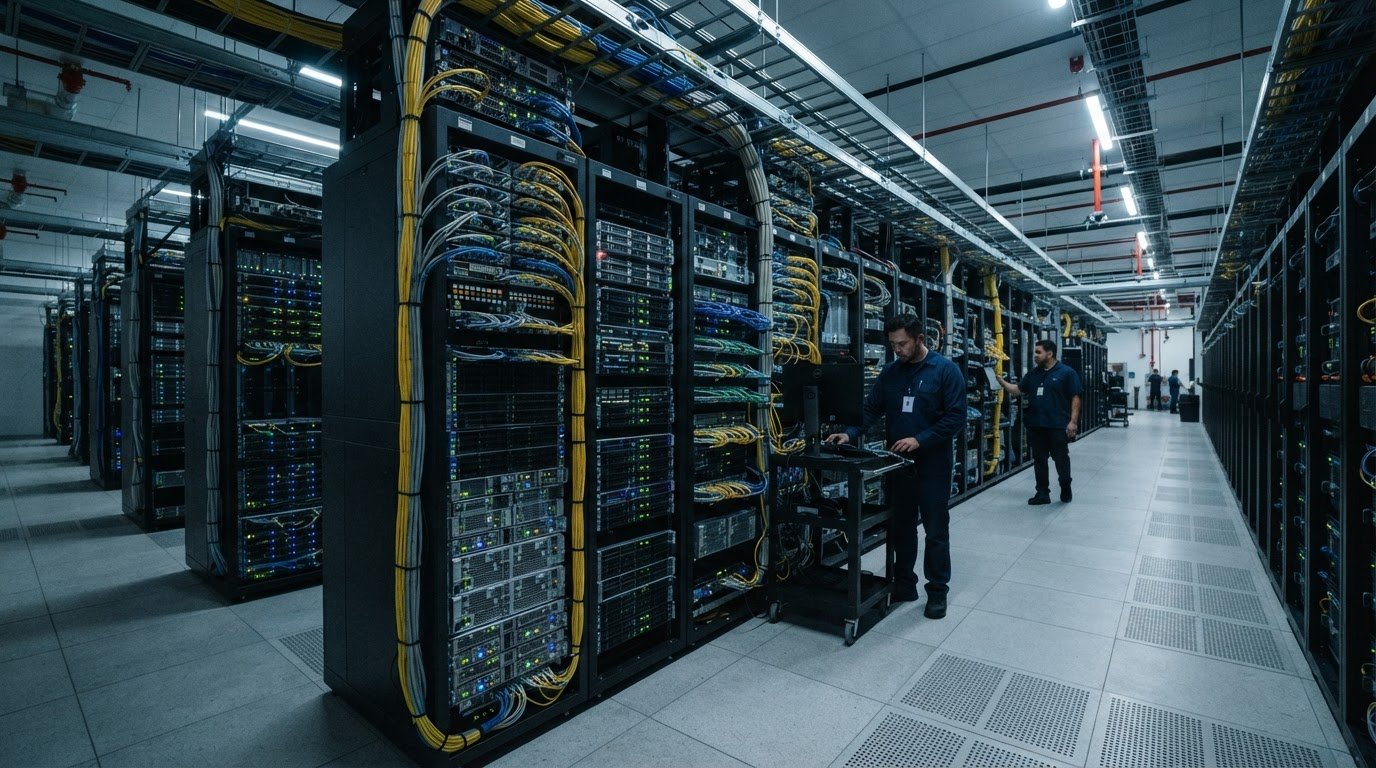
AI services depend on large computing facilities that use substantial amounts of electricity and require reliable grid connections, cooling systems and supporting infrastructure. These projects can bring investment, construction activity and tax revenue to local communities. But rapid expansion can also increase pressure on electricity networks and trigger debate over the cost of new generation, transmission and grid upgrades.
The central consumer question is whether households and small businesses could end up paying part of the infrastructure bill for facilities built primarily to serve large technology companies. Policymakers are considering how utilities should assign costs, disclose expected demand and protect existing customers. The details matter: poorly designed rules could shift costs unfairly, while overly restrictive requirements could delay useful investment in computing and energy infrastructure.
State-level scrutiny is adding pressure
The debate is not limited to Washington. A Reuters factbox published on November 5 described a growing range of state and international responses to data-centre expansion. Pennsylvania’s governor signed an executive order calling for stronger environmental and transparency safeguards, including attention to local community approval. Texas directed a pause in certain approval processes while officials seek more information about electricity and water use, tax incentives and ownership. New York enacted a one-year construction moratorium covering data centres using at least 50 megawatts.
Political promises are also shaping expectations in states where new governors are due to take office. Fortune reported on November 4 that incoming Democratic governors in Texas, Ohio and Georgia had discussed pauses or tougher conditions for data-centre development. Those statements are campaign commitments and proposals; they should not be confused with policies already implemented by those incoming administrations.
Internationally, governments are also reassessing how data centres fit into energy planning. Reuters reported changes and proposed measures in places including Denmark and Australia, reflecting a wider concern that digital infrastructure policy cannot be separated from electricity supply, water use and local planning.
Independent AI safety testing: what lawmakers may seek
Another area under discussion is independent evaluation of advanced AI systems. External testing can help identify security weaknesses, unreliable outputs and other risks that may not be apparent from a company’s own demonstrations. It can also give regulators and the public more confidence that powerful systems have been assessed against meaningful standards before or after deployment.
Designing an effective testing regime will require careful choices. Rules would need to define which systems qualify for additional scrutiny, what tests are appropriate, who can conduct them and how sensitive results should be protected. Requirements that are too vague may provide little public assurance; requirements that are too broad or costly could burden smaller developers without improving safety.
Who should be liable when an AI system causes harm?
Liability is difficult because AI products often involve several parties: the company that develops a model, the business that adapts or deploys it, and the person or organisation using the final tool. If an AI system contributes to financial loss, discrimination, unsafe advice or another form of damage, affected people need a clear way to seek redress. But responsibility should reflect each party’s role, control over the system and ability to anticipate or reduce the risk.
Clearer rules could help businesses understand their obligations and give consumers greater confidence. The challenge for lawmakers is to protect the public without treating every unexpected output as proof that one party is automatically at fault. Definitions, evidence standards and practical enforcement will be as important as the headline principle of accountability.
Why the path to federal legislation remains uncertain
The proposed bills will face political and legislative hurdles. The Trump administration has argued for an approach that supports US AI development and has raised concerns that fragmented or mandatory rules could weaken competitiveness. Lawmakers may disagree over the balance between federal standards and state authority, as well as the role of agencies in enforcing any new requirements.
A separate Reuters report on November 4 said a US government task force planned to outline existing laws that apply to AI laboratories. That work is distinct from the proposed congressional bills: it concerns how current statutes apply, rather than confirming that new federal AI legislation has been enacted.
What technology companies, investors and consumers should watch
- Legislative text: Whether the planned proposals are formally introduced in the new Congress and what systems or companies they would cover.
- Electricity bills: How utilities and regulators allocate the cost of new grid connections, generation and transmission upgrades.
- State policy: Whether state-level pauses, safeguards or permitting conditions become binding rules and how they interact with federal policy.
- Safety standards: Which independent tests are required, who conducts them and whether results lead to enforceable action.
- Liability: How lawmakers distinguish the responsibilities of model developers, companies deploying AI and end users.
The wider significance for the AI industry
The next stage of US AI policy is likely to be shaped by practical questions rather than broad arguments for or against the technology. Data-centre expansion connects AI growth to household energy costs and local planning. Safety testing connects innovation to public confidence. Liability rules connect the commercial use of AI to established principles of consumer protection and accountability.
For technology companies and investors, the uncertainty itself is important. New requirements could affect project costs, development timelines, compliance spending and the location of future infrastructure. For consumers, the key test will be whether the rules deliver transparent energy costs, meaningful safeguards and a clear route to accountability when things go wrong.
What happens next: The proposals are expected to become clearer as the next Congress approaches in January 2027. Until bills are formally introduced, debated and passed, their scope and final impact remain uncertain.
Sources
- Reuters, November 6, 2026 — Democrats plan AI bills for the next Congress.
- Reuters, November 4, 2026 — US government review of laws applying to AI labs.
- Reuters factbox, November 5, 2026 — State and international responses to data-centre expansion (republished by PiQ Markets).
- Fortune, November 4, 2026 — Incoming governors’ positions on data-centre development.
NewsVista Global editorial note: This article distinguishes reported government actions from political commitments and proposed legislation. The congressional measures discussed above are proposals, not enacted federal law. Policy details may change as bills are introduced and reviewed.