
Last updated: November 6, 2026, 8:31 a.m. IST
Diplomatic efforts to end the US-Iran war gained a new dimension on November 5, when an Iranian official said Tehran had sent Washington a nuclear proposal through Qatar. On the same day, Russian President Vladimir Putin met Iran’s senior security official Mohsen Rezaei in Moscow. The developments show that several diplomatic channels are active, but they do not amount to an agreement: Iran says it will not resume negotiations or reopen the Strait of Hormuz until its conditions are met, while Washington wants nuclear issues addressed in any initial talks.
Key developments at a glance
- An Iranian official told Reuters that Tehran had sent a nuclear proposal to the United States through Qatar; the US was reviewing it.
- Iran says broader discussions will take place only after Washington meets Tehran’s conditions.
- Putin met Mohsen Rezaei at the Kremlin on November 5. Rezaei delivered a message from Iran’s Supreme Leader and said the two discussed regional security and post-war arrangements.
- Rezaei also said the meeting covered a proposed Russia-Iran gas pipeline.
- No peace agreement or confirmed reopening of the Strait of Hormuz has been announced in the cited reports.
Iran sends a nuclear proposal through Qatar
A senior Iranian official told Reuters on November 5 that Iran had sent the United States a proposal concerning its nuclear programme through Qatar. The official said Washington was reviewing the proposal but did not provide further details about its contents.
The same official said discussions would take place only after the United States met Tehran’s demands. Reuters reported that the demands include lifting sanctions, releasing frozen Iranian assets and paying war reparations. The full text of the proposal and the complete list of conditions have not been made public in the cited report.
Washington’s position remains different. Reuters reported that the United States wants nuclear issues included from the beginning of any negotiations, rather than postponed until after other disputes are settled. That disagreement over the order of discussions remains a major obstacle.
Putin meets Iran’s security chief in Moscow
Putin met Mohsen Rezaei at the Kremlin on November 5, according to the Russian president’s office and Iranian state media. Iranian state media said Rezaei delivered a message from Supreme Leader Mojtaba Khamenei.
After the meeting, Rezaei said the discussions covered regional security arrangements and the post-war period. He also said the two sides discussed a proposed gas pipeline from Russia to Iran, intended to help address Iranian gas shortages and allow Russia to sell gas to neighbouring countries.
The meeting is a diplomatic development, not evidence that Moscow has secured a settlement or that Russia will directly enter the conflict. No final pipeline agreement was announced in the cited Reuters report.
Why the Strait of Hormuz remains central
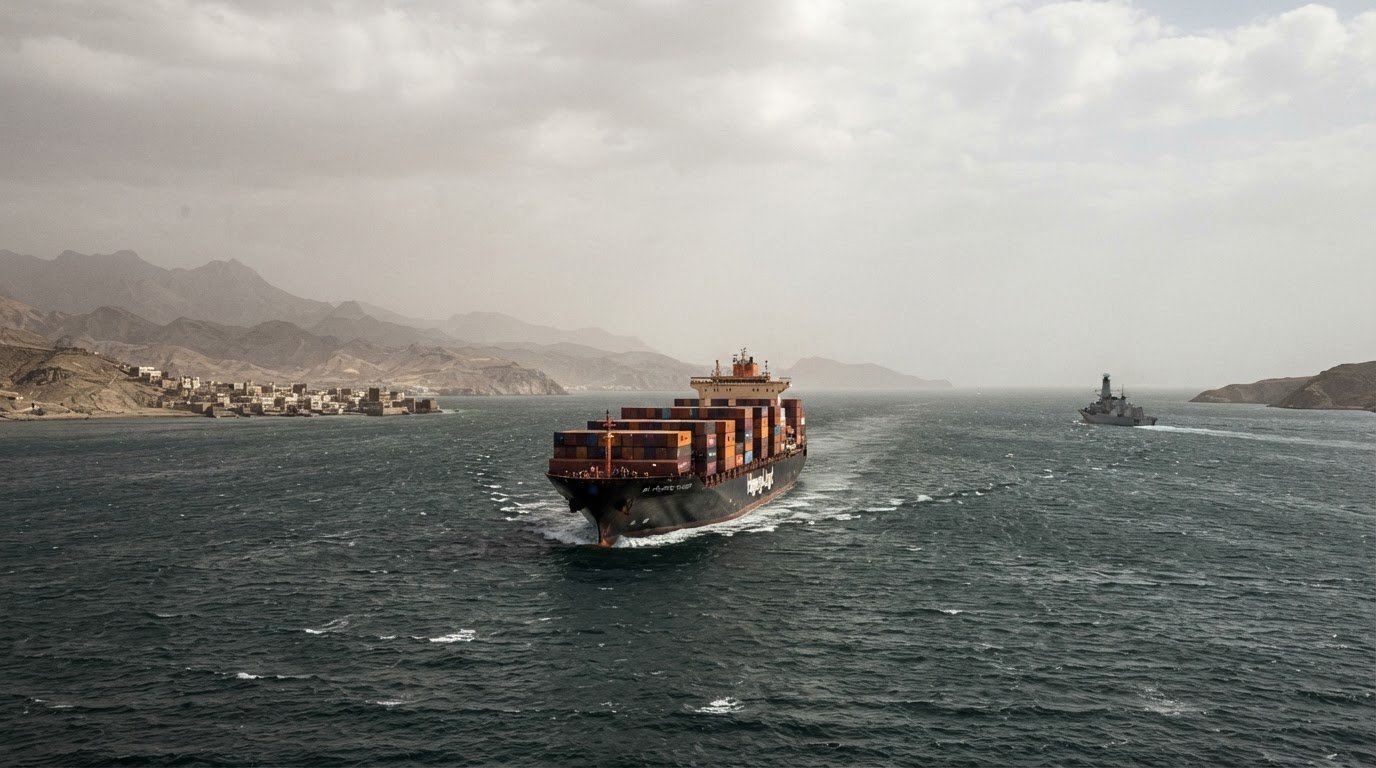
The status of the Strait of Hormuz remains one of the most difficult issues in the negotiations. Rezaei said Iran would neither reopen the waterway nor resume negotiations until its seven conditions were implemented. The United States, meanwhile, maintains a naval blockade of Iranian ports, while the nuclear programme and sanctions remain unresolved.
Maritime security has also deteriorated. Reuters reported new tanker-related incidents on November 5, with the IRGC attributing fires involving two tankers and a tugboat to vessels using routes it described as unauthorised. The claims and the wider shipping risks are covered separately in NewsVista Global’s Strait of Hormuz shipping report.
Recent military action adds pressure to diplomacy
On November 3, Reuters reported that the United States had carried out limited strikes on Iran’s Qeshm Island. US officials described the action as defensive and said it did not mark a return to major combat operations. Iranian state media reported explosions on the island. The available report did not establish a broader escalation or a breakdown of all diplomatic contacts.
The US midterm elections have now taken place, and Democrats have won control of both chambers of Congress. That result has changed the domestic political environment in Washington, but it does not by itself determine whether the administration will pursue further military action or accept Iran’s conditions.
What remains unresolved?
- Sanctions: Iran wants economic restrictions addressed before wider negotiations; Washington has not accepted that sequence.
- Nuclear programme: The US wants nuclear commitments included at the start of talks.
- Strait of Hormuz: Iran says it will not reopen the route until its conditions are met; no reopening is confirmed.
- Security guarantees: Both sides remain divided over the post-war regional security arrangements.
- Russia’s role: Putin’s meeting with Rezaei signals diplomatic engagement, but no Russian-brokered agreement has been announced.
What could happen next?
The next concrete signal will be the US response to the proposal delivered through Qatar. Qatar’s ability to keep communication open may determine whether the nuclear issue, sanctions and maritime restrictions can be discussed in a single framework.
For now, the existence of a proposal should not be confused with progress toward a signed deal. The parties remain divided over sequencing and conditions, while vessel incidents and military risks continue to affect the region. Those tensions are also influencing energy prices and investor sentiment, as explained in NewsVista Global’s oil and global-markets coverage.
Frequently asked questions
Has Iran sent a nuclear proposal to the United States?
A senior Iranian official told Reuters on November 5 that Iran had sent a proposal through Qatar and that Washington was reviewing it. The full text has not been published in the cited report.
Did Putin meet an Iranian official?
Yes. Putin met Mohsen Rezaei at the Kremlin on November 5. Rezaei said they discussed regional security, post-war arrangements and a proposed gas pipeline.
Has the Strait of Hormuz reopened?
No reopening was confirmed in the cited reports. Rezaei said Iran would not reopen the waterway until its conditions were met.
Has a US-Iran peace agreement been reached?
No. The proposal is under review, but the two sides remain divided over sanctions, nuclear negotiations and maritime restrictions.
Sources
- Reuters — Iran sent nuclear proposal to the US via Qatar, November 5, 2026.
- Reuters — Iran’s security chief discusses regional and bilateral affairs with Putin, November 5, 2026.
- Reuters — US carries out limited defensive strikes on Iran’s Qeshm Island, November 3, 2026.
- Reuters — Democrats seize control of Congress in midterm elections, November 4, 2026.
Editorial note: Statements about Iran’s conditions are attributed to Iranian officials. The proposal’s full text, Washington’s final response and any agreement on reopening the Strait of Hormuz were not confirmed in the cited reports as of November 6, 2026.